
The Ultimate Masai Mara Safari Photography Guide
Gear, Backup & Rental Solutions So You Never Miss the Shot
If you are planning a safari to Masai Mara, this is likely a once-in-a-lifetime trip.
You may be traveling from the United States, the United Kingdom, Germany, France, the Netherlands, Australia, Canada, India, China, South Africa, or another major safari market. You have invested in flights, accommodation, park fees, and your dream itinerary.
The last thing you want is to miss the shot because:
- Your lens isn’t long enough
- Your camera fails mid-safari
- You brought the wrong gear
- Airline restrictions limited your equipment
- You couldn’t find backup support
This guide is designed to eliminate those risks.
If you are coming to Masai Mara and don’t want to miss the shot, here is everything you need — from choosing the right lens to securing emergency support and same-day rentals in Nairobi.
Why Masai Mara Is Different From Other Wildlife Destinations
Masai Mara is not a zoo. It is vast, open, and unpredictable.
You may encounter:
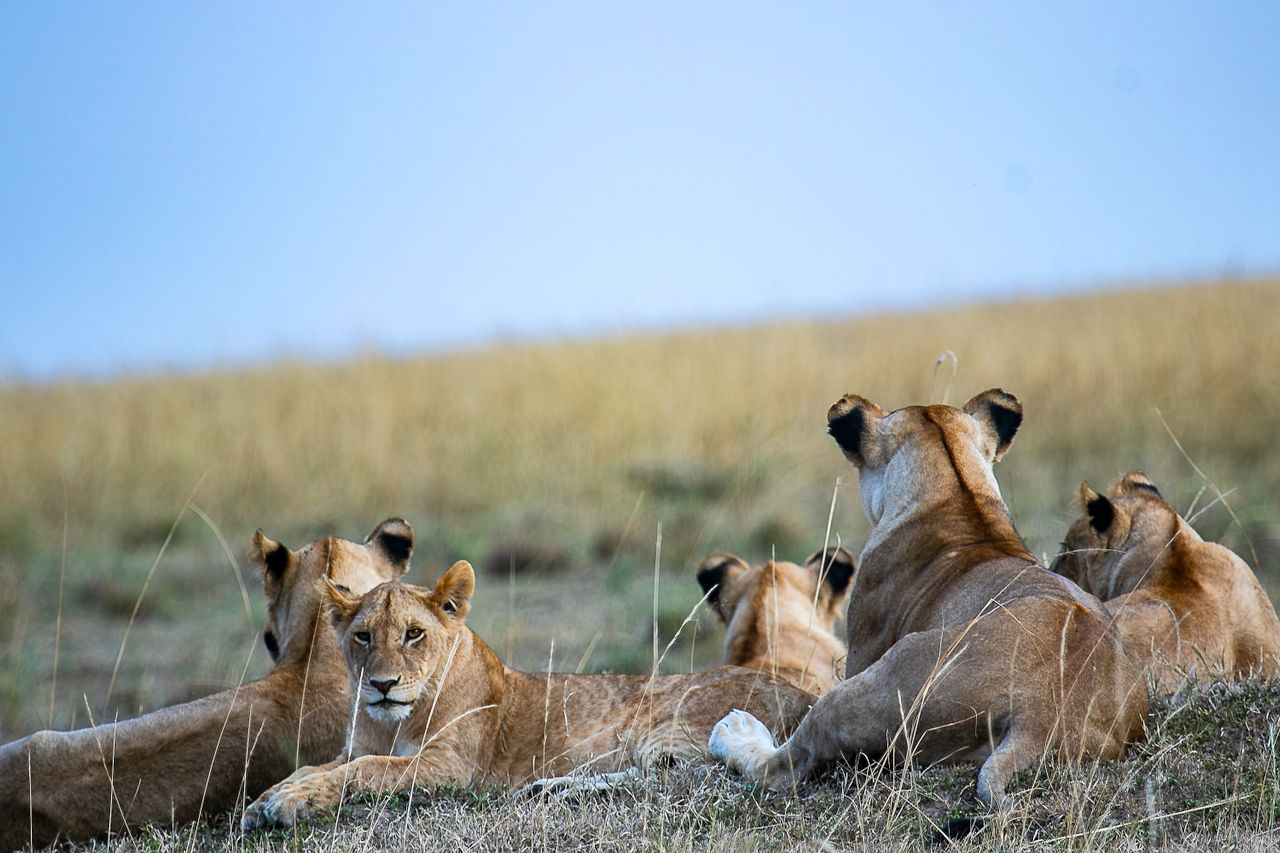
- Lions resting under acacia trees
- Cheetahs scanning the plains
- Leopards hidden in riverine forests
- Elephants crossing the savannah
- Wildebeest during the Great Migration
- Hyenas, giraffes, zebras, buffalo, and more
But wildlife distances vary.
Some animals come very close to safari vehicles. Others remain 50–150 meters away. You cannot step out and move closer. You cannot reposition freely.
Your lens determines what you capture.
Afraid Your Lens Isn’t Long Enough for Masai Mara?
This is the most common fear among first-time safari photographers.
Many travelers arrive with:
- 24–70mm lenses
- 70–200mm lenses
- Smartphone cameras
- Or mid-range zoom lenses
Then they realize 200mm is often not enough.
What Focal Length Is Ideal?
For Masai Mara wildlife photography:
- 300mm works well for large animals at moderate distance
- 400mm gives more flexibility
- 500mm–600mm is ideal for distant subjects, action, and birds
If you are primarily photographing:
- Lions
- Elephants
- Giraffes
- Wildebeest
- Buffalo
A 100–400mm, 100–500mm, 150–600mm, or 200–600mm lens gives excellent coverage.
For serious bird photographers or distant predators, 500mm–600mm becomes highly valuable.
APS-C vs Full Frame
An APS-C camera gives you additional apparent reach due to crop factor. Many safari photographers use APS-C bodies for this reason.
However, both full-frame and APS-C systems work well in Masai Mara when paired with the correct telephoto lens.
The key is not brand — it is focal length.
First Safari Mistakes to Avoid in Masai Mara
Even experienced photographers make mistakes in the Mara. First-time visitors often make avoidable errors.
1. Bringing Too Little Reach
Underestimating distance is common. A 70–200mm may be perfect for portraits or weddings — but it often struggles on the open plains.
2. Bringing Too Much Heavy Gear
Some travelers overcompensate and bring:
- Two bodies
- Three heavy lenses
- Tripods
- Accessories
They end up exhausted, stressed, and worried about theft or airline damage.
3. Not Having Backup Equipment
Safari is dusty. Roads are rough. Equipment experiences vibration and heat.
If your only camera fails, your photography stops.
4. Ignoring Dust Protection
Masai Mara roads can be dry and dusty. Changing lenses carelessly introduces dust to your sensor.
5. Not Booking Gear Early During Peak Season
During the Great Migration (July–October) and other peak months, high-demand lenses get reserved quickly.
Waiting until arrival can limit options.
What Happens If Your Camera Fails Mid-Safari?
This is the nightmare scenario.
You are on day two of your five-day safari. A cheetah begins a hunt. You raise your camera — and it does not focus.
Or worse, it does not turn on.
Common field issues include:
- Autofocus failure
- Shutter errors
- Sensor dust spots
- Battery malfunction
- Memory card corruption
If you brought only one body and one lens, your photography may be over.
This is why serious safari planning includes backup options.
Why Backup Gear Is Essential in Masai Mara
Wildlife does not wait.
If your camera fails, the lion does not repeat the hunt for you.
Backup solutions include:
- Renting a second body
- Having a second telephoto
- Access to emergency replacement in the Mara
- Technical support within Nairobi
Professional safari photographers always carry redundancy.
Even beginners benefit from at least knowing emergency support exists.
Emergency Replacement & Technical Support in Kenya
One major advantage of renting or organizing gear locally in Kenya is access to support.
If equipment fails:
- Replacement bodies can be arranged
- Lenses can be swapped
- Sensor cleaning can be done
- Technical diagnostics can be performed
For travelers staying in Masai Mara for multiple days, emergency logistics can sometimes be coordinated depending on location and availability.
This safety net provides peace of mind.
Without local support, your only option would be international shipping — which is unrealistic during a short safari.
Landing in Nairobi Without Proper Gear? Same-Day Rental Options
Some travelers arrive at Jomo Kenyatta International Airport (JKIA) and realize:
- Their lens is insufficient
- Their gear was delayed
- They chose not to travel with heavy equipment
- They underestimated wildlife distances
Same-day camera and lens rental in Nairobi solves this problem.
You can:
- Pick up your equipment before departure
- Receive a quick briefing
- Test the gear
- Head to Masai Mara fully prepared
This eliminates airline stress while still ensuring professional-quality wildlife reach.
Renting vs Bringing Your Own Gear
If you are traveling internationally, consider:
Airline Limitations
- Weight restrictions
- Carry-on size limits
- Lithium battery rules
- Risk of checked luggage damage
Security & Risk
High-value camera gear attracts attention. Long-haul travel increases risk.
Cost Efficiency
Buying a 600mm lens for a single safari may not make financial sense.
Flexibility
Renting allows you to choose:
- 100–400mm
- 100–500mm
- 150–600mm
- 200–600mm
- 180–600mm
Based on availability and season.
For many international travelers, renting locally in Kenya is the smarter choice.
Peak Season in Masai Mara: Why Early Booking Matters
Masai Mara experiences high demand during:
- Great Migration (July–October)
- Calving season (January–March)
- Peak international travel months
Long telephoto lenses are limited assets.
If you plan to visit during migration season, securing your lens early ensures availability.
Waiting until arrival can mean:
- Settling for shorter focal length
- Limited selection
- Higher last-minute stress
Advance booking provides certainty.
Choosing the Right Lens for Your Masai Mara Safari
Here is a simplified guide:
For First-Time Safari Travelers
- 75–300mm
- 70–300mm
- 100–400mm
Ideal for large mammals and general wildlife documentation.
For Enthusiast Wildlife Photographers
- 100–500mm
- 150–600mm
- 200–600mm
Better for distant predators and tighter framing.
For Serious Bird Photographers
- 500mm
- 600mm
- 180–600mm
Essential for small subjects and long-distance shooting.
Practical Safari Photography Tips for Masai Mara
Use Fast Shutter Speeds
Wildlife moves quickly. Use at least 1/1000s for action.
Shoot During Golden Hours
Early morning and late afternoon provide the best light.
Use Continuous Autofocus
Track moving animals like cheetahs and birds.
Avoid Changing Lenses Frequently
Reduce dust exposure by minimizing swaps.
Bring Extra Batteries & Cards
Game drives can last several hours.
Private Photography-Focused Safaris
If photography is your main goal, consider a photography-focused safari rather than a general tour.
Advantages include:
- Better vehicle positioning
- More patience for animal behavior
- Flexibility in timing
- Space for long lenses
- Guidance on composition and settings
For serious wildlife shooters, this makes a major difference.
Complete Rental & Support Solutions for Masai Mara
For travelers who want reliability and peace of mind, a structured rental solution includes:
- Professional camera body
- Telephoto lens suited to your needs
- Extra batteries
- Memory cards
- Cleaning tools
- Backup options
- Technical support
- Nairobi pickup before departure
This ensures you start your safari prepared.
The Ultimate Question: How Do You Ensure You Don’t Miss the Shot?
You plan ahead.
You choose appropriate focal length.
You secure gear before peak season.
You understand backup options.
You eliminate airline stress.
You know where support is available.
Masai Mara rewards preparation.
The lion’s hunt, the cheetah sprint, the migration crossing — these moments happen once. With the right gear and support, you capture them.
Without preparation, you may only watch them.
Book Your Masai Mara Safari Camera & Lens with MaraZooms & Cameras Africa
If you are planning a Masai Mara safari and want to ensure you are fully equipped, we provide:
- Wildlife camera rentals
- Long telephoto lens options
- Beginner-friendly and professional setups
- Same-day Nairobi pickup
- Pre-booking for peak migration season
- Backup and emergency support solutions
Whether you are visiting from the USA, UK, Germany, Australia, Canada, India, or anywhere in the world, we help you arrive in Masai Mara ready to capture unforgettable wildlife moments.
Website: https://marazooms.co.ke
Email: hello@marazooms.co.ke
WhatsApp / Call: +254 732 589951
MaraZooms & Cameras Africa
Equipping your African safari experience.
