
Canon RF 70-200mm F2.8 L IS USM Rental in Kenya | Safari & Wildlife Photography
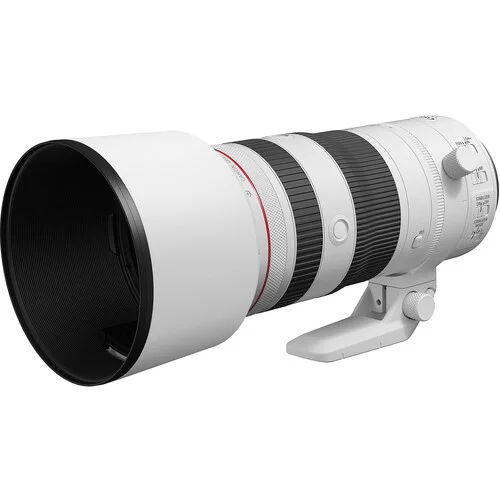
Looking for a Canon RF 70-200mm F2.8 L IS USM rental in Kenya for your safari, wildlife or travel photography? The Canon RF 70-200mm F2.8 L IS USM is a professional L-series telephoto zoom designed for photographers who need excellent image quality, a fast f/2.8 aperture, image stabilization and flexible focal lengths in a relatively compact package.
While longer lenses such as the Canon RF 100-500mm and RF 200-800mm are designed for maximum wildlife reach, the RF 70-200mm F2.8 is particularly useful when wildlife is relatively close, when you want to include the surrounding environment, or when you need a fast lens for low-light photography.
For photographers visiting Masai Mara, Amboseli, Laikipia, Samburu, Tsavo, Lake Nakuru, Ol Pejeta and other Kenya safari destinations, the RF 70-200mm can be an extremely useful addition to a wildlife photography kit.
Why Rent the Canon RF 70-200mm F2.8 for a Kenya Safari?
Wildlife photography is not always about having the longest possible lens.
During a safari, animals can sometimes approach the vehicle closely enough that a 500mm or 800mm lens becomes too tight. In these situations, a 70-200mm lens can provide much greater flexibility.
At 70mm, you can capture environmental wildlife photographs showing animals within their surroundings. At 135-200mm, you can create tighter portraits while still retaining useful context around the subject.
The constant f/2.8 maximum aperture is another major advantage.
A fast aperture allows photographers to work more effectively in low-light conditions and can create attractive background separation when photographing animals, people and safari scenes.
The lens is therefore particularly useful during the early morning and late afternoon periods when safari photography often produces some of the most dramatic light.
Canon RF 70-200mm F2.8 for Masai Mara Photography
The Masai Mara is one of Kenya’s most famous destinations for wildlife photography.
The reserve provides opportunities to photograph lions, leopards, cheetahs, elephants, giraffes, zebras, wildebeest and many other species.
The RF 70-200mm is useful when wildlife is close to the safari vehicle.
For example, a lion resting beside the vehicle may be too close for a 500mm lens to capture comfortably. At 70-200mm, you can photograph the animal while also including grass, trees and the surrounding Mara landscape.
The lens can also be excellent for environmental portraits.
Rather than filling the entire frame with an animal’s face, you can show the animal within the landscape, creating photographs that communicate a greater sense of place.
Great Migration Photography
During the Great Migration, photographers may encounter enormous herds of wildebeest and zebra.
While an 800mm lens can be excellent for isolating individual animals, a 70-200mm lens is better suited to photographing the larger scene.
At 70mm, you can capture groups of animals spreading across the grasslands. At 200mm, you can concentrate on smaller groups or individual animals while retaining some environmental context.
This makes the RF 70-200mm a useful complementary lens alongside a longer wildlife lens.
Canon RF 70-200mm for Amboseli Wildlife Photography
Amboseli National Park is famous for its elephants and spectacular views of Mount Kilimanjaro.
The RF 70-200mm can be particularly valuable here because wildlife photography in Amboseli often benefits from environmental compositions.
Instead of photographing only an elephant’s face or body, you can include the surrounding plains and, when conditions permit, Mount Kilimanjaro in the background.
At 70mm, you can create wider environmental images. At 200mm, you can produce tighter elephant portraits while retaining more of the surrounding landscape than you would with a 500mm or 800mm lens.
This makes the lens an excellent choice for photographers who want to tell the story of the safari location rather than simply photograph individual animals.
Canon RF 70-200mm for Laikipia Safari Photography
The Laikipia region is another important wildlife photography destination in Kenya.
Photographers visiting conservancies in Laikipia may encounter elephants, rhinos, lions, leopards, giraffes, zebras and numerous other species.
The RF 70-200mm is particularly useful for relatively close encounters.
It can also be valuable for photographing safari guides, vehicles, camps, landscapes and conservation activities.
For photographers documenting a complete safari experience rather than concentrating exclusively on distant wildlife, a 70-200mm can be one of the most versatile lenses in the camera bag.
Canon RF 70-200mm for Samburu, Tsavo and Lake Nakuru
The lens can also be useful throughout Kenya.
In Samburu National Reserve, it can be used for environmental wildlife portraits and closer encounters with species such as giraffes, elephants and gerenuk.
In Tsavo East and Tsavo West, the 70-200mm range is useful when larger animals approach the vehicle and when photographing wildlife within the vast landscapes.
At Lake Nakuru, it can be useful for larger wildlife, environmental photographs and scenes around the lake, while a longer lens remains preferable for distant birds and smaller subjects.
The lens therefore works particularly well as part of a two-lens safari setup.
The Advantage of the f/2.8 Aperture
One of the biggest reasons to choose the Canon RF 70-200mm F2.8 L IS USM is its constant f/2.8 maximum aperture.
A fast f/2.8 aperture provides several advantages for safari photography.
Better Low-Light Performance
Game drives often begin early in the morning and can continue into the evening, when light levels are lower.
The f/2.8 aperture allows more light to reach the camera sensor compared with slower telephoto zooms.
This can help photographers maintain faster shutter speeds when photographing moving subjects in challenging light.
Background Separation
At 200mm and f/2.8, the lens can produce strong subject isolation.
This can be particularly attractive when photographing lions, leopards, elephants, giraffes and other wildlife against busy natural backgrounds.
Safari and Travel Photography
The f/2.8 aperture is also useful beyond wildlife.
It makes the RF 70-200mm an excellent lens for photographing:
- Safari guides
- Local communities
- Lodge staff
- Safari vehicles
- Landscapes
- Camps
- Travel portraits
- Cultural experiences
- Evening activities
This versatility can make it a valuable lens for international visitors documenting an entire Kenya trip.
Image Stabilization for Safari Photography
The Canon RF 70-200mm F2.8 L IS USM incorporates optical image stabilization, making handheld photography easier when shooting from a safari vehicle or walking around a lodge or camp.
Image stabilization can be particularly useful at longer focal lengths and in lower light.
Combined with the fast f/2.8 aperture, it gives photographers greater flexibility when working without a tripod.
Canon RF 70-200mm Autofocus for Wildlife
The RF 70-200mm uses Canon’s high-performance autofocus system and is designed to provide fast and quiet focusing.
When paired with a modern Canon EOS R camera featuring advanced subject detection and animal autofocus, it can be a capable lens for photographing wildlife movement.
This can be useful for situations such as animals walking toward the vehicle, birds taking off nearby or sudden interactions between animals.
Is the Canon RF 70-200mm Good for Safari?
Yes, particularly when used for close wildlife, environmental wildlife photography and low-light safari photography.
However, it is important to understand its role.
If you want to photograph a leopard several hundred metres away, a 200-800mm or 100-500mm lens will generally be more appropriate.
If an elephant walks close to your vehicle, however, a 70-200mm can suddenly become much more useful.
For this reason, many serious wildlife photographers may choose to carry both a standard telephoto zoom and a longer super-telephoto lens.
For example:
Canon RF 70-200mm + RF 100-500mm
provides a broad 70-500mm range.
Or:
Canon RF 70-200mm + RF 200-800mm
provides a combination covering close environmental photography and extreme telephoto reach.
Canon RF 70-200mm vs RF 100-500mm
These lenses have different strengths.
The RF 70-200mm is significantly faster at f/2.8 and is particularly strong for low-light photography, portraits and close wildlife.
The RF 100-500mm provides substantially more reach and is therefore better suited to distant wildlife.
For a photographer who wants one lens primarily for wildlife, the 100-500mm may be more practical.
For someone building a complete safari photography kit, however, the two lenses can complement each other extremely well.
Canon RF 70-200mm vs RF 200-800mm
The difference is even more significant.
The RF 200-800mm is designed primarily around maximum reach.
The RF 70-200mm is designed around speed, flexibility and image quality at shorter telephoto focal lengths.
The 70-200mm is therefore particularly useful for:
- Close wildlife
- Environmental portraits
- Low-light photography
- People
- Travel
- Safari camps
- Landscapes
- General-purpose telephoto photography
The 200-800mm is better suited to distant wildlife and birds.
Best Canon Cameras for the RF 70-200mm
The RF 70-200mm F2.8 L IS USM can be paired with a range of Canon EOS R cameras.
Potential combinations include:
Canon EOS R6 Mark II + RF 70-200mm F2.8
An excellent combination for photographers prioritizing autofocus, low-light performance and professional wildlife photography.
Canon EOS R5 + RF 70-200mm F2.8
A high-resolution setup suitable for photographers who want substantial cropping flexibility.
Canon EOS R7 + RF 70-200mm F2.8
An interesting combination for photographers who want the narrower field of view associated with an APS-C sensor.
Canon EOS R50 + RF 70-200mm F2.8
A compact camera body paired with a professional-quality L-series telephoto zoom.
Rent the Canon RF 70-200mm F2.8 in Kenya
For photographers travelling to Kenya specifically for a safari, renting the Canon RF 70-200mm F2.8 locally can be a practical way to access professional equipment without purchasing a lens for a single trip.
It is particularly useful if you are already bringing or renting a longer wildlife lens.
A two-lens combination can cover a much broader range of photographic situations than either lens alone.
MaraZooms Safaris & Cameras Africa specializes in camera and lens rental for wildlife and safari photography in Kenya, making the RF 70-200mm a useful option for visitors travelling to the country’s major wildlife destinations.
Rent from MaraZooms Safaris & Cameras Africa
MaraZooms provides wildlife photography equipment for photographers visiting Kenya.
The Canon RF 70-200mm F2.8 L IS USM can be particularly useful for photographers travelling to:
- Masai Mara
- Amboseli
- Laikipia
- Samburu
- Tsavo East
- Tsavo West
- Lake Nakuru
- Ol Pejeta
- Nairobi National Park
- Other Kenyan safari destinations
Whether you are photographing a lion close to your safari vehicle, elephants beneath Mount Kilimanjaro, a safari guide at sunrise or a landscape across the Mara, the 70-200mm range provides a perspective that extremely long wildlife lenses cannot always offer.
Frequently Asked Questions
Is the Canon RF 70-200mm F2.8 good for safari photography?
Yes. It is particularly useful for close wildlife, environmental portraits, safari landscapes, people and low-light photography.
Is 200mm enough for wildlife photography in Kenya?
It can be enough for close wildlife encounters, but photographers photographing distant animals will generally benefit from a longer lens such as the RF 100-500mm or RF 200-800mm.
Is the RF 70-200mm good for the Masai Mara?
Yes. It is particularly useful for close wildlife encounters, environmental wildlife photography and Great Migration herd scenes.
Is the RF 70-200mm good for Amboseli?
Yes. Its shorter telephoto range can be particularly useful for elephants and environmental compositions that include the Amboseli landscape and Mount Kilimanjaro.
Why choose f/2.8 for safari?
The f/2.8 maximum aperture allows more light into the camera and can help with low-light photography, faster shutter speeds and subject-background separation.
Should I rent the RF 70-200mm or RF 100-500mm for safari?
If your priority is distant wildlife, the RF 100-500mm is generally the more suitable choice. If you want close wildlife, low-light performance, environmental portraits and travel photography, the RF 70-200mm is an excellent option.
Can I use the RF 70-200mm with a Canon EOS R7?
Yes. The RF 70-200mm is compatible with Canon’s RF-mount EOS R cameras, including APS-C models such as the EOS R7.
Can I combine the RF 70-200mm with a longer safari lens?
Absolutely. Combining it with a lens such as the RF 100-500mm or RF 200-800mm creates a highly versatile safari photography kit.
Book the Canon RF 70-200mm F2.8 L IS USM for Your Kenya Safari
The Canon RF 70-200mm F2.8 L IS USM is not simply a shorter version of a super-telephoto wildlife lens. It fills an important role in a complete Kenya safari photography kit.
Its fast f/2.8 aperture, 70-200mm focal range, image stabilization, professional L-series construction and strong autofocus performance make it particularly useful for close wildlife, environmental photography, low-light scenes, safari portraits and travel photography.
For photographers visiting the Masai Mara, Amboseli, Laikipia, Samburu, Tsavo or Lake Nakuru, renting the RF 70-200mm from MaraZooms Safaris & Cameras Africa can give you a professional telephoto option for the situations where an extremely long wildlife lens is simply too tight.
Rent the Canon RF 70-200mm F2.8 L IS USM in Kenya and build a versatile safari photography setup for your next wildlife adventure.

Reviews
There are no reviews yet.