
Bird Photography in Kenya: Best Lenses, Camera Settings & Rental Options for Masai Mara, Amboseli & Other National Parks
Kenya is one of the most rewarding destinations in the world for bird photography.
From martial eagles in Masai Mara to flamingos in Lake Nakuru National Park, from secretary birds in Amboseli National Park to Somali ostriches in Samburu National Reserve, the diversity is extraordinary.
But bird photography in Kenya is very different from photographing large mammals.
Distance is greater. Subjects are smaller. Movement is faster. Light changes quickly.
If you are serious about capturing birds in Kenya, especially raptors and fast-moving species, longer reach is not optional — it is essential.
This guide explains the best lenses, ideal camera settings, and practical rental solutions available in Kenya so you can prepare properly and avoid costly mistakes.
Why 400mm Is Often Not Enough for Bird Photography in Kenya
Many wildlife photographers arrive in Kenya with a 100–400mm lens and quickly discover a limitation.
For large mammals, 400mm may work comfortably.
For birds, especially:
- Lilac-breasted rollers
- Bee-eaters
- Kingfishers
- Kestrels
- Martial eagles
- Vultures in flight
400mm can feel short.
Birds are smaller than lions or elephants. They often perch at distance. Raptors circle high above. Flamingos spread across wide lake surfaces.
Cropping heavily reduces image quality, especially if you plan to print or publish.
For dedicated bird photography in Kenya, 500mm to 600mm is strongly recommended.
When You Truly Need 600mm
A 600mm-equivalent focal length becomes especially valuable in:
Masai Mara
For:
- Raptors in flight
- Distant perched eagles
- Small colorful birds in open plains
Lake Nakuru
For:
- Flamingos
- Pelicans
- Water birds across shallow lakes
Amboseli
For:
- Secretary birds
- Raptors against Kilimanjaro
- Birds in open dusty terrain
Samburu
For:
- Dry-region specialty species
- Smaller desert birds
- Distant subjects in open scrub
If bird photography is your primary purpose, 600mm gives you flexibility without excessive cropping.
Recommended Lenses for Bird Photography in Kenya
Here are strong options depending on your level:
Enthusiast Setup
- 150–600mm
- 200–600mm
- 180–600mm
These offer flexibility and strong reach for most birding situations.
Professional Setup
- 500mm prime
- 600mm prime
These provide superior sharpness and faster autofocus performance, especially for flight shots.
APS-C Advantage
APS-C camera bodies provide additional effective reach due to crop factor. Many bird photographers use APS-C bodies paired with 600mm lenses to maximize framing.
Best Camera Settings for Fast Birds
Bird photography in Kenya requires speed.
Here are practical settings to consider:
1. Shutter Speed
- Minimum 1/1600s for birds in flight
- 1/2000s or higher for fast action
2. Autofocus Mode
- Continuous autofocus (AI Servo / AF-C)
- Animal or bird eye detection if available
3. Drive Mode
- High-speed continuous shooting
4. ISO
- Do not fear higher ISO. Sharp image with slight noise is better than blurred image.
5. Aperture
- f/5.6 to f/8 balances depth and sharpness
Fast birds do not wait. Settings must be ready before action begins.
Photographing Raptors in Kenya
Kenya’s raptors are a major attraction for serious bird photographers.
In Masai Mara and Amboseli, you may encounter:
- Martial eagles
- Tawny eagles
- Bateleurs
- Secretary birds
- Vultures
Raptors often fly high and fast. A 600mm lens significantly improves your ability to isolate them against the sky.
Use high shutter speeds and track smoothly.
Flamingo Photography at Lake Nakuru
Flamingos are among Kenya’s most photographed birds.
However, they are often positioned far from the vehicle.
Long lenses allow:
- Isolated portraits
- Compression of large flocks
- Detailed feather textures
Early morning and late afternoon provide softer light and pink reflections on water.
A 500mm or 600mm lens is ideal here.
Bird Photography Challenges in Kenya
Distance
Many birds will not allow close approach.
Heat Distortion
Midday heat can create shimmer, reducing sharpness at long distances.
Harsh Light
Bright equatorial sun creates strong contrast.
Dust
Open plains produce airborne dust.
The right equipment and timing reduce these challenges.
Renting a 600mm Lens in Kenya: Why It Makes Sense
Traveling internationally with a 600mm lens can be complicated.
Consider:
- Airline baggage limits
- Carry-on restrictions
- Insurance risks
- Weight concerns
- Security during transit
Instead of traveling with heavy super-telephoto gear, many bird photographers choose to rent in Kenya.
Benefits include:
- Access to long telephoto lenses
- Reduced travel stress
- Lower transport risk
- Same-day pickup in Nairobi
- Availability in peak season (when booked early)
For dedicated bird photographers visiting Kenya from the USA, UK, Germany, Australia, Canada, India, and other regions, renting locally simplifies logistics significantly.
Birding-Specific Safari Support
Serious bird photographers benefit from:
- Flexible vehicle positioning
- Patience for flight opportunities
- Guides familiar with bird behavior
- Access to backup gear
- Technical support if equipment fails
Unlike general wildlife safaris, birding-focused trips require more patience and specialized approach.
If bird photography is your primary objective, planning your safari accordingly increases your success rate.
Backup Planning for Bird Photographers
Super-telephoto lenses are valuable and complex.
Having backup options matters.
If your primary lens fails mid-safari, your bird photography opportunities are significantly reduced.
Planning for:
- Backup body
- Emergency lens replacement
- Sensor cleaning support
Protects your once-in-a-lifetime experience.
When to Book Your Bird Photography Gear
Kenya experiences peak demand during:
- Great Migration season
- European and North American travel seasons
- Bird migration periods
Long lenses are limited assets.
Booking early ensures you secure the 600mm or long telephoto you need.
Waiting until arrival risks limited availability.
Final Thoughts: Serious Bird Photography Requires Serious Reach
Kenya offers extraordinary bird diversity across Masai Mara, Amboseli, Lake Nakuru, Samburu, and beyond.
If you are serious about capturing:
- Raptors in flight
- Flamingo flocks
- Fast bee-eaters
- Rare dry-region species
Then 400mm is often not enough.
A 500mm or 600mm setup provides the reach, clarity, and flexibility required for professional-level bird images.
Preparation determines results.
Book Your Bird Photography Lens Rental in Kenya
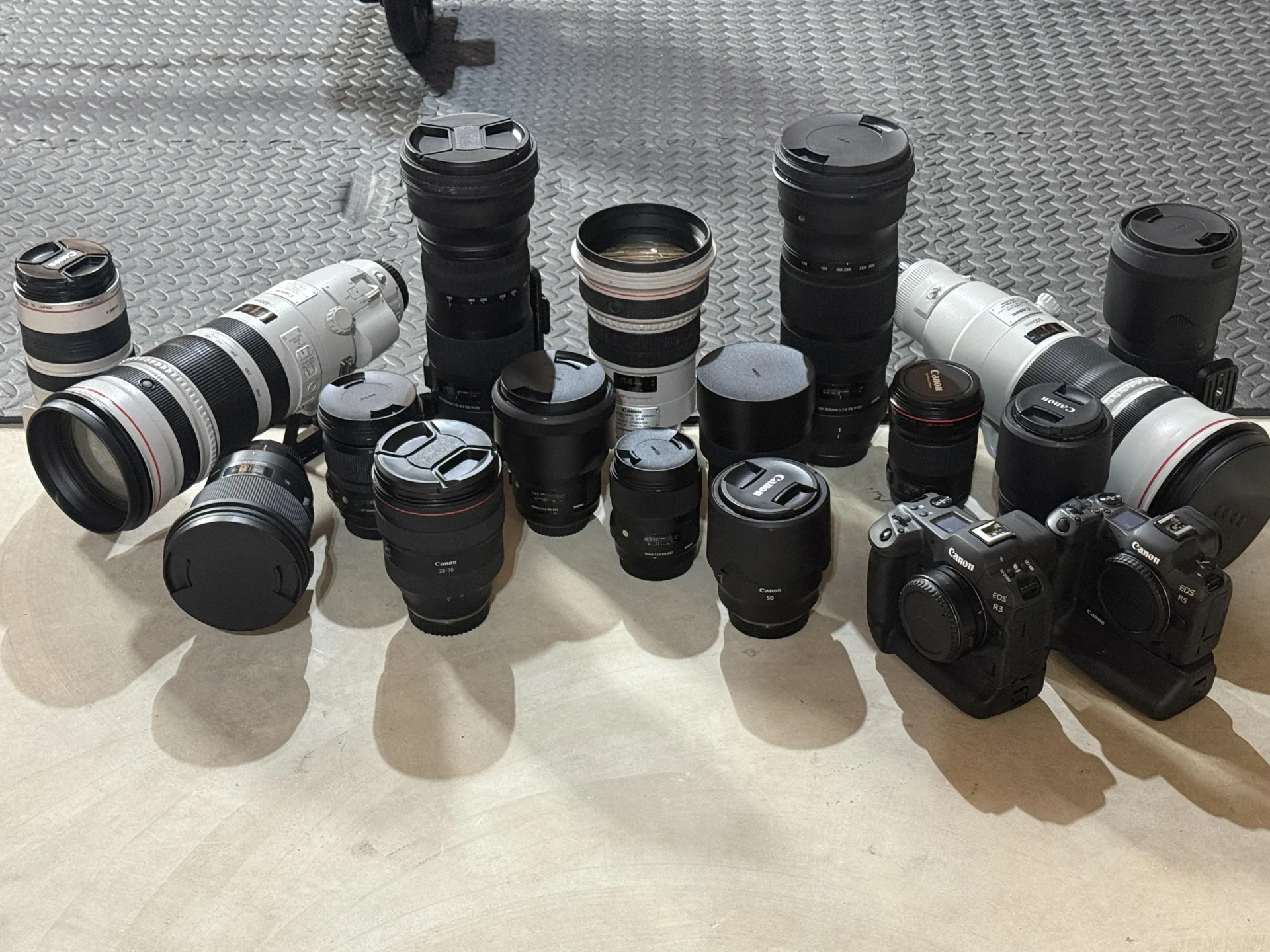
If you are planning a bird photography safari in Kenya and need long-reach telephoto support, MaraZooms & Cameras Africa provides:
- 150–600mm, 200–600mm, 100–500mm, and super-telephoto options
- Beginner and professional setups
- Same-day Nairobi pickup
- Advance booking for peak season
- Backup and support solutions
We help you select the right equipment based on your itinerary, skill level, and birding goals.
Website: https://marazooms.co.ke
Email: hello@marazooms.co.ke
WhatsApp / Call: +254 732 589951
MaraZooms & Cameras Africa
Africa’s Safari Photography Partner
