
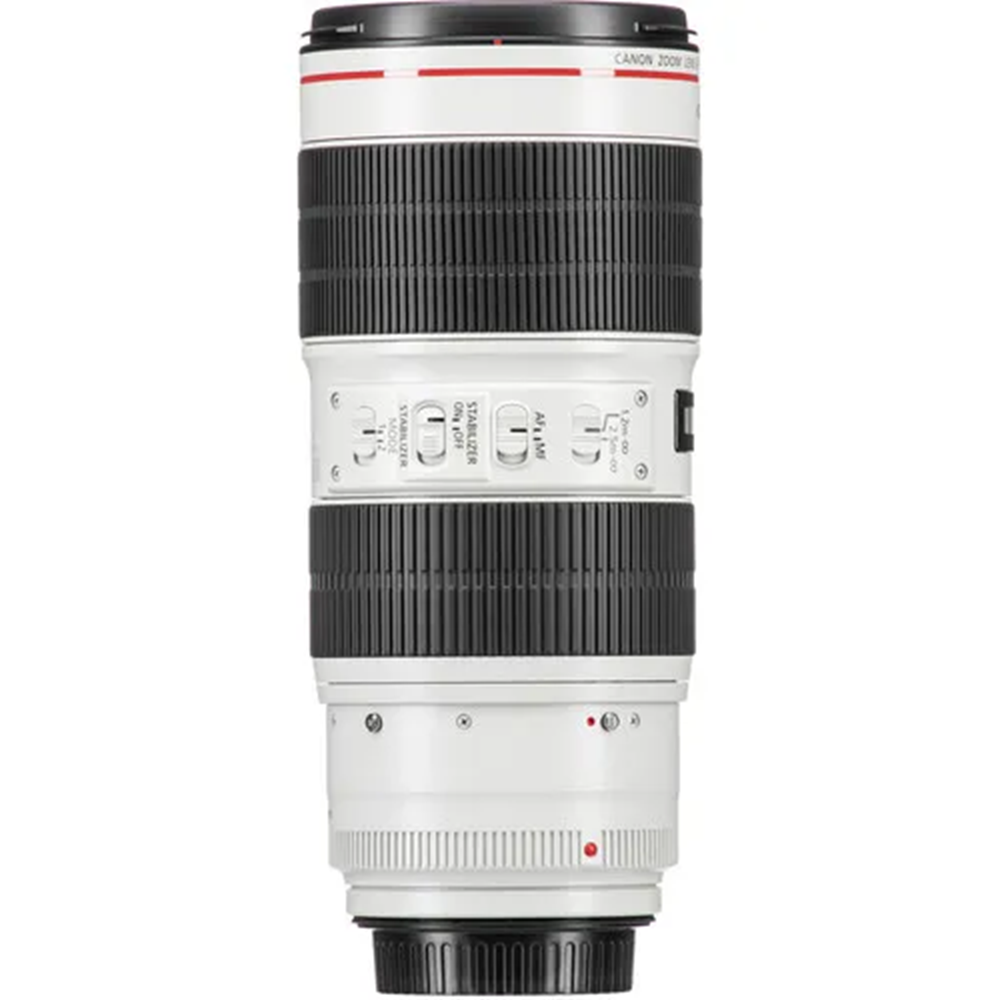
Canon EF 70-200mm f/2.8L IS III USM Rent & Hire in Kenya for Safari & Wildlife Photography
Looking to rent or hire a Canon EF 70-200mm f/2.8L IS III USM in Kenya for your safari, wildlife or travel photography trip? This professional Canon L-series telephoto zoom remains a highly versatile choice for photographers who need excellent image quality, a fast f/2.8 aperture and dependable autofocus in a relatively manageable package.
The Canon EF 70-200mm f/2.8L IS III USM is particularly useful for close wildlife photography, environmental portraits, safari landscapes, people, travel photography and low-light situations. While longer lenses such as a 100-400mm, 100-500mm or 200-800mm are generally better for distant wildlife, the 70-200mm fills an important role in a complete Kenya safari camera kit.
For tourists travelling to Kenya from the United States, United Kingdom, Canada, Australia, Europe, Asia and other international destinations, renting a professional telephoto lens locally can be a practical way to improve your photography without purchasing and transporting expensive equipment specifically for your trip.
MaraZooms Safaris & Cameras Africa provides camera and lens rental options for photographers visiting Kenya, with hotel delivery within the Nairobi Metropolitan Area and equipment delivery and collection at Wilson Airport for travelers flying onward to safari destinations.
Why Rent the Canon EF 70-200mm f/2.8L IS III USM in Kenya?
The 70-200mm focal range is one of the most versatile telephoto ranges available to photographers.
It is long enough to provide useful compression and subject isolation, but short enough to remain practical when wildlife or people are relatively close.
This is particularly important during a Kenya safari.
Wildlife does not always remain far away. An elephant can approach your vehicle, a lion may rest close to the road, or a giraffe may suddenly appear beside the vehicle.
A 400mm, 500mm or 800mm lens can become difficult to use when the subject is very close.
The 70-200mm gives you much more room to compose the photograph.
At 70mm, you can capture environmental scenes. At 135mm, you can create tighter compositions. At 200mm, you can produce strong wildlife portraits while still retaining more of the surrounding environment than you would with an extreme telephoto lens.
The Advantage of the Constant f/2.8 Aperture
One of the defining characteristics of the Canon EF 70-200mm f/2.8L IS III USM is its constant f/2.8 maximum aperture.
This makes the lens particularly attractive for photography in changing light.
Safari game drives often begin around sunrise, when light levels can still be relatively low. Afternoon and evening game drives can also produce increasingly difficult lighting conditions.
The f/2.8 aperture allows more light to reach the camera sensor than slower telephoto zooms.
This can help photographers maintain faster shutter speeds when photographing moving wildlife.
It also creates attractive background separation, helping subjects stand out from grass, bushes and other elements in the environment.
Canon EF 70-200mm for Masai Mara Photography
The Masai Mara is one of Kenya’s premier wildlife photography destinations.
Its open grasslands and abundance of wildlife make it particularly attractive to photographers travelling to Kenya.
The Canon EF 70-200mm is useful when wildlife is relatively close to the safari vehicle.
Lions are an excellent example.
A lion resting beside the vehicle may be too close for a 500mm or 600mm lens. With the 70-200mm, you can photograph the complete animal, create a portrait or include the surrounding Mara landscape.
The lens can also be useful for photographing safari vehicles, guides and environmental scenes during game drives.
Great Migration Photography
The Great Migration creates another situation where a 70-200mm can be valuable.
While a long telephoto is useful for isolating individual wildebeest and zebra, the 70-200mm is better suited to capturing the scale of large herds.
At 70mm, photographers can photograph groups of animals spreading across the Mara plains.
At 200mm, smaller groups and individual animals can be isolated while retaining some environmental context.
For photographers carrying two camera bodies, a 70-200mm can therefore complement a longer wildlife lens extremely well.
Canon EF 70-200mm for Amboseli Wildlife Photography
Amboseli National Park is famous for its elephants and spectacular views of Mount Kilimanjaro.
The Canon EF 70-200mm can be particularly effective for environmental wildlife photography in Amboseli.
Rather than filling the frame entirely with an elephant, photographers can include the surrounding plains and, when conditions allow, Mount Kilimanjaro.
The 70mm focal length provides a wider perspective, while 200mm allows photographers to tighten the composition.
This flexibility makes the lens useful for creating photographs that communicate both the animal and the environment in which it lives.
Canon EF 70-200mm for Laikipia Wildlife Photography
The Laikipia region is an important destination for wildlife and conservation photography in Kenya.
Its conservancies offer opportunities to photograph elephants, rhinos, lions, leopards, giraffes, zebras and numerous other species.
The 70-200mm is particularly useful for close wildlife encounters and environmental images.
It can also be valuable when documenting conservation work, safari guides, vehicles, landscapes and people.
For a photographer interested in documenting the entire safari experience rather than only distant animals, this lens can be one of the most useful pieces of equipment in the camera bag.
Canon EF 70-200mm for Samburu and Tsavo
Kenya offers wildlife photography opportunities far beyond the Masai Mara and Amboseli.
In Samburu National Reserve, the lens can be useful for environmental portraits of elephants, giraffes, gerenuk, Grevy’s zebra and other wildlife.
In Tsavo East and Tsavo West, the expansive landscapes provide opportunities for environmental wildlife photography.
The 70mm end allows photographers to show more of the landscape, while 200mm provides a tighter perspective when wildlife approaches.
For distant wildlife, however, a longer telephoto lens will generally be more appropriate.
Canon EF 70-200mm for Lake Nakuru
Lake Nakuru National Park provides opportunities to photograph rhinos, giraffes, buffalo, lions and numerous bird species.
The 70-200mm can be useful for larger wildlife and environmental scenes.
For smaller birds or distant wildlife, photographers will generally want more reach, making a 100-400mm, 100-500mm or 200-800mm a better choice.
The 70-200mm can nevertheless make an excellent second lens in a safari photography kit.
Professional Canon L-Series Construction
The Canon EF 70-200mm f/2.8L IS III USM belongs to Canon’s professional L-series.
It was designed for demanding photographers who require high optical performance, robust construction and reliable autofocus.
For tourists travelling to Kenya specifically to photograph wildlife, using a professional telephoto lens can provide an advantage over relying solely on a standard kit lens.
The lens is also useful beyond wildlife, making it an attractive rental for travelers who want one professional lens for several different types of photography.
Image Stabilization for Safari Photography
The lens incorporates optical image stabilization, which can be useful when photographing handheld.
This is particularly relevant during safari game drives.
You may be sitting inside a safari vehicle, reacting quickly to an animal’s movement and unable to set up a tripod.
Image stabilization can help reduce camera shake and make handheld photography more practical, particularly when shooting toward the 200mm end of the lens.
Autofocus for Wildlife Photography
The EF 70-200mm f/2.8L IS III USM uses Canon’s USM autofocus system.
Fast and responsive autofocus is important when photographing wildlife because animals can change direction or begin moving without warning.
The lens can be used for photographing animals walking, running or interacting, as well as people and other subjects encountered during a safari.
When paired with a compatible Canon camera, it becomes a highly capable general-purpose telephoto setup.
Canon EF 70-200mm With DSLR Cameras
The EF 70-200mm is designed for Canon EF-mount cameras and can be paired with many Canon DSLR bodies, including:
- Canon EOS 80D
- Canon EOS 90D
- Canon EOS 5D-series
- Canon EOS 6D-series
- Canon EOS 7D-series
- Other compatible Canon EOS DSLR cameras
This makes it an attractive rental for tourists who already own a Canon DSLR but do not have a professional 70-200mm lens.
Using the EF 70-200mm With Canon EOS R Cameras
The lens can also be used with Canon EOS R mirrorless cameras when paired with a compatible EF-EOS R mount adapter.
This gives photographers another option when building a Canon safari setup.
For example, a photographer using a Canon EOS R6 Mark II or EOS R7 can rent the EF 70-200mm rather than purchasing a native RF 70-200mm specifically for a trip.
This can be especially useful for tourists who want to keep their equipment options flexible.
Is 200mm Enough for Safari Photography?
It depends on the type of wildlife photography you want to do.
For close wildlife, environmental portraits and safari scenes, 200mm can be extremely useful.
For distant wildlife, it may not provide enough reach.
A photographer travelling to the Masai Mara with the primary goal of photographing distant leopards, cheetahs and birds may be better served by a longer lens.
However, photographers who want to photograph both wildlife and the wider safari experience can find the 70-200mm extremely valuable.
This is why it works particularly well as a complementary lens.
Pairing the 70-200mm With a Longer Wildlife Lens
One of the strongest safari setups is to combine a 70-200mm with a longer telephoto.
For example:
Canon EF 70-200mm f/2.8L IS III + Canon EF 100-400mm II
This gives you coverage from 70mm through 400mm.
Another option is:
Canon EF 70-200mm f/2.8L IS III + Canon RF 200-800mm
when using a compatible EOS R camera and appropriate mount configuration.
This provides both close-range flexibility and extreme telephoto reach.
Using two camera bodies can make this setup even more practical because photographers can switch cameras rather than changing lenses when wildlife suddenly changes distance.
Why International Tourists Rent Camera Lenses in Kenya
Many tourists visiting Kenya do not want to purchase a professional wildlife lens for a single safari.
A quality telephoto lens can represent a significant investment, particularly when the photographer already owns a camera but lacks a suitable wildlife lens.
Safari camera and lens rental in Kenya provides an alternative.
You can arrange your equipment before or during your trip and use it for the duration of your Kenya safari.
This can be particularly useful for visitors travelling from overseas who want to avoid carrying additional expensive equipment through international airports.
Nairobi Hotel Delivery and Wilson Airport Collection
MaraZooms Safaris & Cameras Africa provides rental services designed around the travel schedules of photographers visiting Kenya.
For tourists staying in Nairobi hotels within the Nairobi Metropolitan Area, camera and lens equipment can be delivered to the agreed hotel location.
For travelers flying from Nairobi to their safari destination, delivery and collection can also be arranged at Wilson Airport.
Wilson Airport is a major departure point for travelers flying to safari destinations such as the Masai Mara, Amboseli and other parts of Kenya.
This makes it possible to arrange your wildlife photography equipment around your flight itinerary.
You can collect your rental equipment before your safari flight and return it at the agreed point after your trip.
Who Should Rent the Canon EF 70-200mm f/2.8L?
The lens is particularly suitable for:
- International tourists visiting Kenya
- Safari photographers
- Wildlife photography enthusiasts
- Travel photographers
- Canon DSLR users
- Canon EOS R users with an EF adapter
- Close wildlife photography
- Environmental wildlife photography
- Great Migration photography
- Amboseli elephant photography
- Safari portraits
- Low-light photography
- Photographers building a two-lens safari setup
Canon EF 70-200mm f/2.8 vs 70-200mm f/4
The major advantage of the f/2.8 version is its faster maximum aperture.
For safari photography, that additional light can be valuable during early morning and late afternoon game drives.
The f/4 version is generally more compact and lighter, while the f/2.8 version prioritizes low-light performance and subject isolation.
If photography performance is the priority and carrying additional weight is acceptable, the f/2.8 version is the more ambitious choice.
Book the Canon EF 70-200mm Rental in Kenya
The Canon EF 70-200mm f/2.8L IS III USM is an excellent professional telephoto zoom for photographers who want more than just maximum wildlife reach.
It is particularly effective for close wildlife, environmental portraits, Great Migration scenes, safari landscapes, people and low-light photography.
For a Kenya safari, it can complement a longer wildlife lens and provide a perspective that 400mm, 500mm or 800mm lenses cannot always achieve.
From lions in the Masai Mara to elephants beneath Mount Kilimanjaro in Amboseli, rhinos in Laikipia, wildlife in Samburu and the expansive landscapes of Tsavo, the 70-200mm can become a versatile part of your safari photography kit.
If you are an international tourist visiting Kenya, arrange your rental equipment around your travel plans with hotel delivery within the Nairobi Metropolitan Area or delivery and collection at Wilson Airport when flying onward to your safari destination.
Rent or hire the Canon EF 70-200mm f/2.8L IS III USM from MaraZooms Safaris & Cameras Africa for your next Kenya wildlife and safari photography adventure.

Reviews
There are no reviews yet.